Owning a swimming pool in St. Petersburg, FL, means enjoying warm weather and plenty of opportunities to swim throughout the year. But Florida’s heat, humidity, rain, and frequent storms can also create challenges for pool owners.
Leaves, pollen, dirt, algae, and other debris can quickly find their way into your pool. At the same time, high temperatures can cause pool chemistry to change more quickly.
That’s why weekly pool cleaning in St. Petersburg, FL is an important part of keeping your pool clean, healthy, and ready to use.
Regular professional maintenance doesn’t just improve the appearance of your pool. It can also help protect your pool equipment, maintain proper water chemistry, and identify potential problems before they become expensive repairs.
How Florida Weather Affects Your Pool
St. Petersburg’s warm climate creates conditions that can be demanding on swimming pools.
Strong sunlight, high temperatures, humidity, and heavy rainfall can all affect pool water and equipment. During stormy weather, rain can introduce dirt and organic debris into the water while also affecting the pool’s chemical balance.
Florida pools also tend to be used throughout much of the year rather than only during a short summer season.
Because of these conditions, allowing too much time between maintenance visits can make it harder to keep your pool water clear and balanced.
What Does Weekly Pool Cleaning Include?
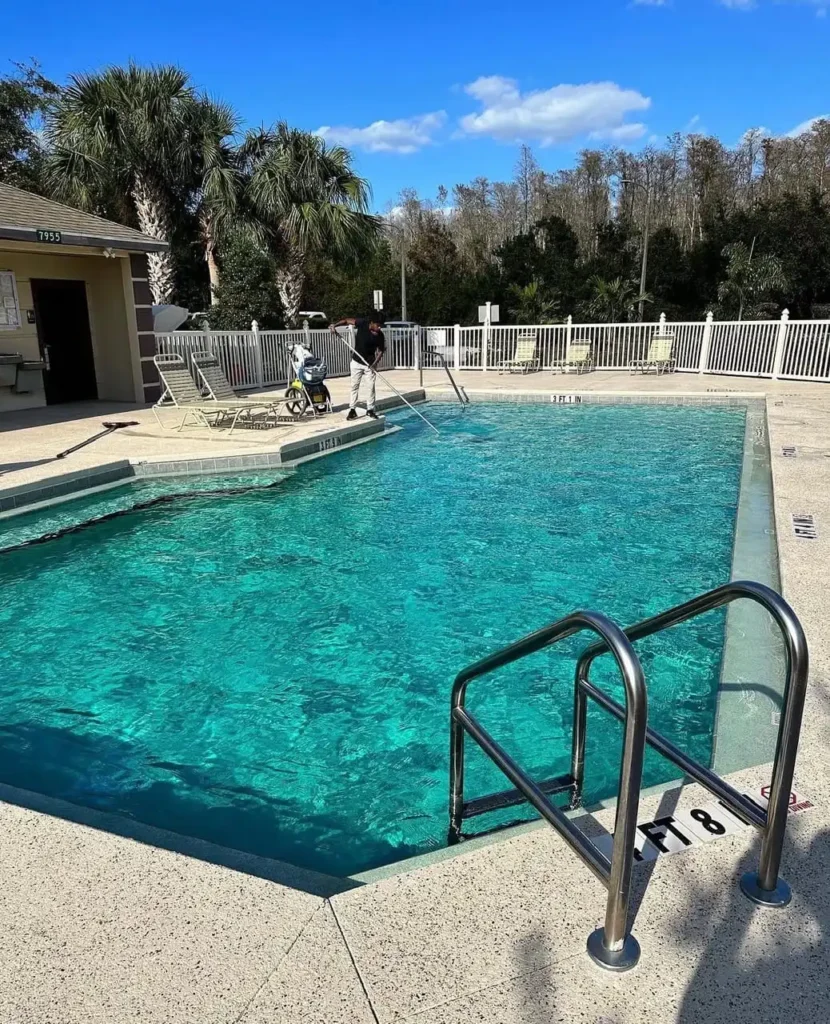
Professional pool cleaning involves much more than simply removing leaves from the surface.
A regular pool maintenance visit may include several important tasks.
1. Skimming and Debris Removal
Leaves, insects, pollen, and other debris can accumulate on the surface of your pool.
Regular skimming removes this material before it sinks to the bottom or contributes to water-quality problems. Cleaning the skimmer baskets also helps maintain proper water circulation.
2. Brushing Pool Walls and Surfaces
Dirt and algae can collect along pool walls, steps, corners, and other surfaces.
Brushing these areas regularly helps loosen buildup and makes it easier for the filtration system and vacuuming process to remove debris.
3. Vacuuming the Pool
Debris that settles on the pool floor should be removed regularly.
Vacuuming helps keep the bottom of the pool clean while reducing the amount of organic material available for algae growth.
4. Testing and Balancing Pool Water
Proper water chemistry is one of the most important parts of pool maintenance.
Pool professionals can test important chemical levels such as:
- pH
- Chlorine
- Alkalinity
- Other water chemistry factors as needed
Keeping these levels properly balanced helps maintain clear water and provides a more comfortable swimming environment.
5. Checking Pool Equipment
Your pool’s pump, filter, skimmer, and other equipment work together to circulate and clean the water.
Routine maintenance provides an opportunity to identify problems such as reduced water flow, clogged filters, unusual equipment operation, or other issues before they develop into larger problems.
What Happens When You Skip Regular Pool Cleaning?
Skipping pool maintenance for a short period may not seem like a major problem. However, Florida’s warm weather can allow problems to develop quickly.
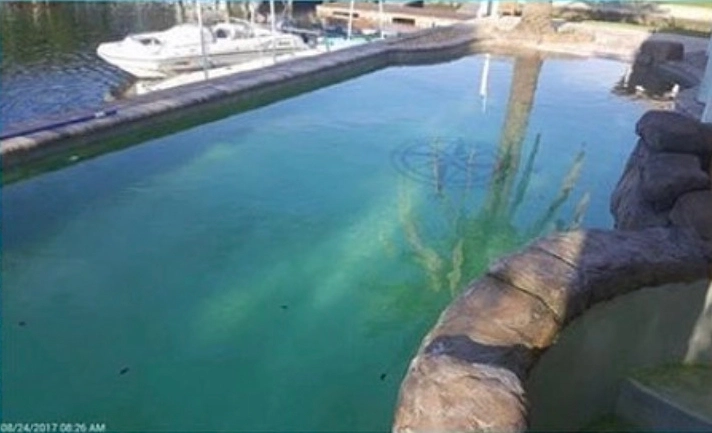
Algae Growth
Warm temperatures and sunlight can create favorable conditions for algae.
Once algae becomes established, removing it can require significantly more cleaning and chemical treatment than preventing the problem through regular maintenance.
Cloudy or Dirty Water
Without consistent cleaning and filtration, debris and contaminants can accumulate, leaving your pool looking cloudy or dirty.
Increased Equipment Stress
Dirty filters and poor water circulation can make your pool equipment work harder.
Over time, this may contribute to unnecessary wear and potentially increase repair costs.
Chemical Imbalances
Rain, sunlight, pool usage, and debris can all affect water chemistry.
Regular testing helps identify changes before they become larger water-quality problems.
Why Weekly Pool Maintenance Matters in St. Petersburg
A consistent maintenance schedule helps you stay ahead of common pool problems.
For homeowners in St. Petersburg, regular pool service can help:
- Keep pool water clear
- Reduce debris buildup
- Control algae
- Maintain proper water chemistry
- Protect pool surfaces
- Support proper filtration
- Identify equipment issues early
- Keep your pool ready for swimming
Instead of waiting until your pool becomes cloudy or develops an algae problem, routine maintenance focuses on prevention.
Professional Pool Cleaning vs. DIY Pool Maintenance
Many homeowners handle some pool maintenance themselves, and that’s certainly possible with the right knowledge, equipment, and time.
However, maintaining a pool consistently can become difficult when you’re busy with work, travel, family, or other responsibilities.
Professional pool cleaning provides a consistent maintenance routine and trained attention to the details that can easily be overlooked.
A professional can also recognize early signs of potential problems, allowing you to address them before they turn into more significant maintenance or repair issues.
Protect Your Pool With Consistent Maintenance
Your swimming pool is a significant investment in your home and your outdoor living space. Regular maintenance can help protect that investment while keeping the pool clean and enjoyable.
In St. Petersburg, FL, the combination of heat, sunshine, rain, humidity, and year-round pool use makes consistent maintenance especially important.
Weekly pool cleaning isn’t simply about making your pool look good. It’s about maintaining clean water, supporting your equipment, and preventing small problems from becoming expensive ones.
If you’re spending more time cleaning your pool than enjoying it, professional pool maintenance can take that responsibility off your plate.
Frequently Asked Questions
How often should a pool be professionally cleaned?
For many residential pools, weekly maintenance is a practical schedule. The ideal frequency can depend on factors such as pool usage, weather, surrounding trees, debris, and the type of pool system.
Why is weekly pool cleaning important in Florida?
Florida’s warm temperatures, strong sunlight, rainfall, and year-round swimming season can cause pool conditions to change quickly. Regular cleaning and water testing help keep the pool maintained consistently.
Can algae grow quickly in a Florida pool?
Yes. Warm temperatures, sunlight, and poor water circulation or chemical balance can create conditions where algae can develop. Consistent cleaning and proper water chemistry help prevent buildup.
What is included in professional pool cleaning?
Depending on the service plan, routine pool maintenance can include surface skimming, debris removal, brushing, vacuuming, cleaning baskets, water testing, chemical balancing, and basic equipment checks.
Does regular pool cleaning help prevent expensive repairs?
Routine maintenance can help identify issues such as clogged filters, poor circulation, or unusual equipment operation before they become more serious. Preventive maintenance can therefore help reduce avoidable repair problems.
Do I still need weekly pool service if I don’t use my pool often?
In many cases, yes. Even a pool that isn’t being used regularly is still exposed to rain, sunlight, leaves, insects, and changing water chemistry. Regular maintenance helps prevent the pool from deteriorating while it sits unused.